


Battery Production in Germany Reaches Record Levels
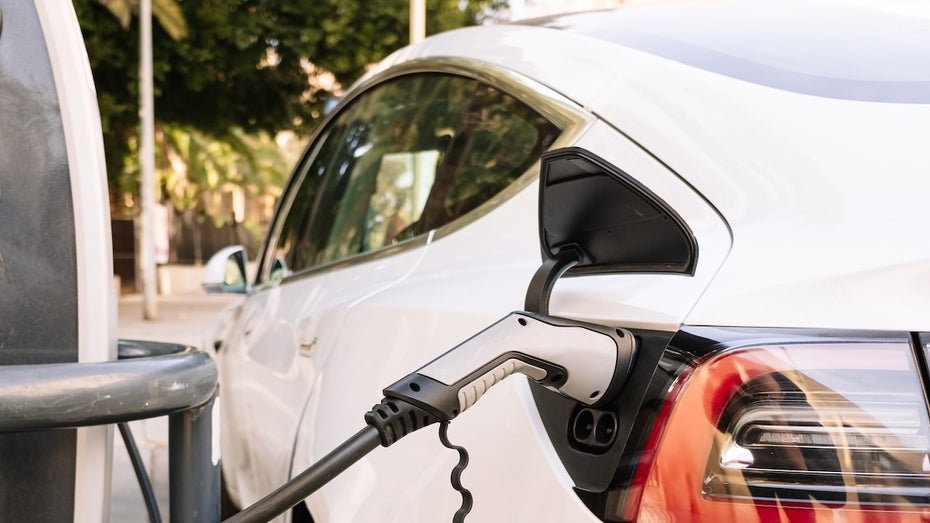
Battery production in Germany reached a record level in 2026. According to recent reports, the capacity of produced batteries has continuously increased in recent years. This development is primarily due to the growing demand for electric vehicles and renewable energies. The federal government has launched numerous initiatives in recent years to promote battery production in order to strengthen the national industry. However, dependence on imports from China is also increasing.
The Asian market remains the main supplier of raw materials and components needed for battery production. Estimates suggest that over 70% of the materials required for lithium-ion batteries come from China. This dependence poses risks, especially in times of geopolitical tensions and trade conflicts. The electric industry has already warned of the potential consequences of this dependence. Companies fear that a disruption in supply chains could lead to production bottlenecks.
Experts point out that diversifying supply sources and developing recycling technologies are crucial to reducing dependence on China. The federal government has announced plans to strengthen domestic raw material extraction. Initiatives to explore lithium deposits in Germany are already in the planning stages. These measures aim to make national production less dependent on foreign suppliers. Initial explorations in the federal states of Saxony and Thuringia have already begun.
Another aspect is the research and development of new battery technologies. Companies and research institutions are working on innovative solutions to improve the efficiency and sustainability of batteries. The development of solid-state batteries could play a key role in the coming years, as they offer higher energy density and safety. The increasing demand for electric vehicles is also impacting jobs in battery production. Estimates suggest that by 2030, up to 100,000 new jobs could be created in this sector in Germany.
However, this heavily depends on the ability of companies to quickly expand production capacities while simultaneously reducing dependence on imports. The EU has also taken measures to promote battery production within Europe. As part of the European Green Deal, investments in battery production and recycling are to be encouraged. The goal is to strengthen the competitiveness of the European industry and reduce dependence on third countries. Developments in battery production are significant not only for the electric industry but also for the entire economy.
The shift towards sustainable energies and technologies is seen as crucial for Germany's future competitiveness. The federal government plans to reduce CO2 emissions by 55% by 2030 compared to 1990 levels. The challenges and opportunities in battery production will also be addressed at the upcoming International Battery Conference in Berlin. Experts from around the world will come together to discuss the latest developments and technologies. The conference will take place from September 15 to 17, 2026.





💬 Comments (0)
No comments yet. Be the first to comment!