


Biwin Invests $1.86 Billion in NAND Chips
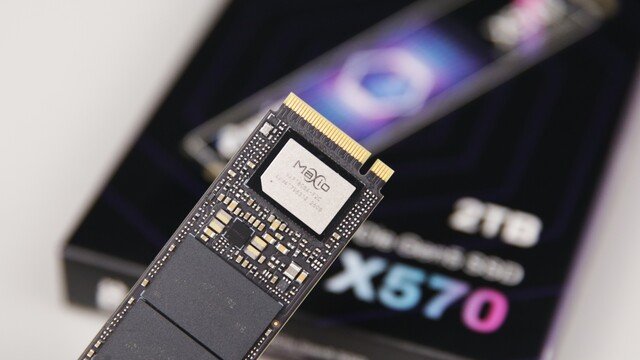
The SSD provider Biwin has announced plans to procure NAND chips worth $1.86 billion over the next two years. This investment exceeds the company's annual revenue in 2025, indicating a rising demand for storage solutions. Currently, companies without their own NAND manufacturing face significant challenges in sourcing memory chips. Prices for NAND flash memory have risen in recent months, substantially increasing costs for SSD manufacturers. In this situation, Biwin is compelled to invest large sums to remain competitive.
The decision to allocate such a significant amount of capital to the procurement of NAND chips may also have strategic reasons. Biwin could be attempting to safeguard against potential supply chain bottlenecks that may arise from geopolitical tensions or production issues at manufacturing sites. This proactive measure could help the company ensure supply security. Another aspect of this investment is the possibility of expanding production capacities. By purchasing large quantities of NAND chips, Biwin may be able to increase its SSD production and thus meet the growing market demands.
Demand for SSDs has steadily increased in recent years, particularly in the cloud services and gaming industries. In addition to this large purchase, Biwin may also be planning further strategic partnerships or alliances with NAND flash memory manufacturers. Such collaborations could enable the company to secure better terms and access to innovative technologies. The industry is already observing how these developments will impact the market landscape. Biwin's investment is not only a sign of confidence in the market but also an indicator of the future development of storage technology.
The demand for faster and more efficient storage solutions is expected to continue rising, increasing the necessity for companies like Biwin to invest in high-quality components. Analysts estimate that the NAND flash memory market will continue to grow in the coming years. Forecasts suggest that the annual growth rate in this sector could be around 15%. With this investment, Biwin is strategically positioning itself to benefit from this growth. The exact allocation of the investment concerning various types and technologies of NAND chips has not yet been disclosed.
It remains to be seen which specific products Biwin will bring to market in the coming years. However, the industry expects that Biwin could develop innovative solutions that align with current trends in storage technology. Biwin's decision to invest such a significant amount in NAND chips could also impact the competitive landscape in the SSD market. Other companies may be compelled to take similar steps to secure their market shares. Competitors' reactions to this announcement are being closely monitored.
The investment is expected to occur in several tranches, with the first part of the funding potentially flowing in the coming months. Biwin has committed to ensuring the quality and availability of the chips to meet production goals. However, the exact timeline for the individual tranches has not yet been released. The industry will closely watch developments surrounding Biwin's procurement, particularly regarding the impacts on prices and availability of NAND flash memory. The $1.86 billion investment is one of the largest in the company's history and could have far-reaching consequences for the entire market.





💬 Comments (0)
No comments yet. Be the first to comment!