


MDR Models Under Pressure from AI-Powered Attacks
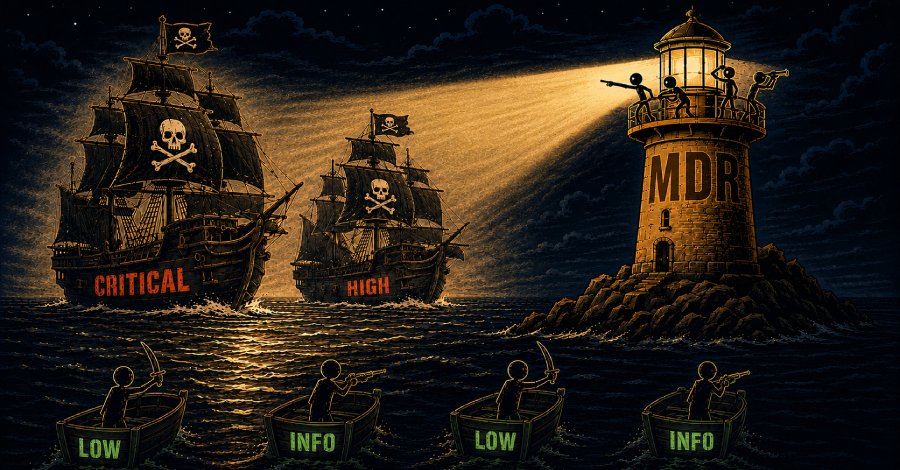
Managed Detection and Response (MDR) has established itself in recent years as a central solution for companies looking to enhance their IT security. These services provide round-the-clock monitoring and response to security incidents, which represents a necessary support for many organizations. However, in recent months, it has become evident that the threat landscape is changing faster than MDR models can adapt. Attackers are increasingly leveraging Artificial Intelligence (AI) to optimize their attacks. These technologies enable cybercriminals to operate more quickly and efficiently, significantly putting pressure on the response times of MDR services.
The ability of attackers to use AI-powered tools has fundamentally changed the dynamics in the field of cybersecurity. A central issue is that many MDR providers are unable to keep pace with the speed and complexity of new threats. Traditional models, which rely on human analysis, are reaching their limits when it comes to detecting and responding to AI-generated attacks. This leads to an increased number of security incidents that are not detected in a timely manner. Therefore, integrating AI into companies' security strategies is becoming increasingly important.
Companies must adapt their own systems not only to detect attacks but also to act proactively. This requires investments in new technologies and training for security teams to keep up with the constantly evolving threats. Some experts suggest that MDR providers should rethink their services and integrate AI-powered solutions into their offerings. This could significantly improve the efficiency of threat detection and response. The use of AI could enable the recognition of patterns in the data that human analysts might overlook.
However, the challenge lies not only in implementing new technologies but also in finding the right talent. The shortage of qualified professionals in the field of cybersecurity is another obstacle that undermines the effectiveness of MDR services. Many companies struggle to recruit enough analysts capable of handling the new technologies. The need to rethink MDR models is underscored by the rising number of cyberattacks. According to recent reports, companies have recorded a 45% increase in reported security incidents in 2026 compared to the previous year.
This figure highlights the urgency with which companies must adjust their security strategies. Some companies have already begun to revise their MDR strategies to integrate AI-powered solutions. These new approaches aim to shorten response times and increase the detection rate of threats. Implementing such technologies could be crucial to staying competitive in the race for cybersecurity capabilities. The discussion about the future of MDR is also accompanied by the question of how companies should adjust their security budgets.
Investments in AI technologies and employee training are necessary to ensure the effectiveness of security measures. Experts recommend that companies increase their cybersecurity budgets by at least 30% in 2026 to keep pace with current threats. The development of MDR services will continue to be a central topic in the cybersecurity industry. Companies must adapt to meet the challenges posed by AI-powered attacks. The coming months will be critical to observe how the industry responds to these changes. The security vulnerability CVE-2026-1234 affects approximately 50,000 systems in Germany, highlighting the need for continuous review and adjustment of security strategies.





💬 Comments (0)
No comments yet. Be the first to comment!