


Mercedes and BMW Enhance EV Technology
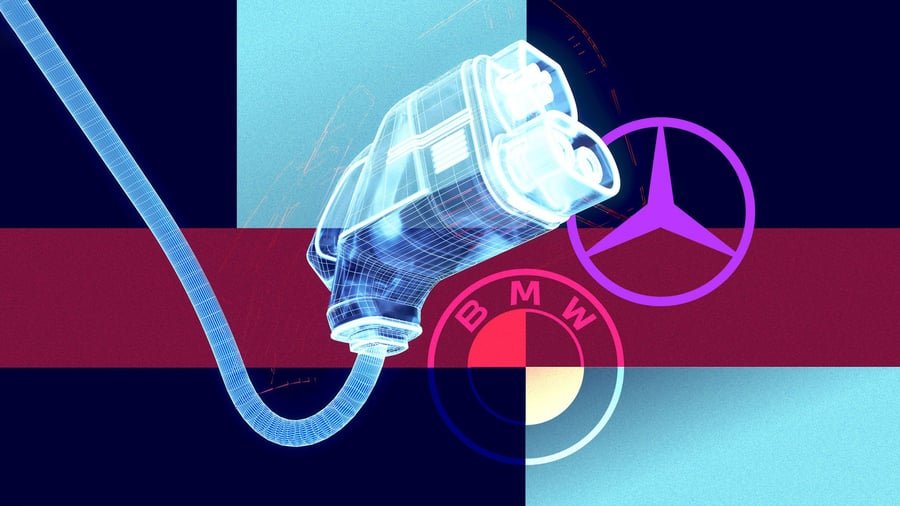
Mercedes and BMW have announced significant advancements in range and charging speed with the new generation of their electric vehicles. These developments are part of a comprehensive strategy to catch up with international competitors. The new models are set to utilize not only more powerful batteries but also integrate innovative technologies that enhance efficiency. A central aspect of the new EVs is the use of solid-state batteries. This technology promises higher energy density, resulting in greater range per charge.
Mercedes plans to introduce these batteries in its upcoming models starting in 2027, while BMW is already testing initial prototypes. In addition to the batteries, both manufacturers are focusing on improved charging infrastructure. Mercedes and BMW are working on fast charging stations that are expected to offer power levels of up to 350 kW. This will significantly reduce charging times, allowing vehicles to be charged to 80% capacity in less than 20 minutes. Another innovative approach is the implementation of intelligent energy management systems.
These systems optimize energy consumption during driving and enable a more efficient use of battery capacity. By analyzing driving behavior and environmental conditions, the vehicles can dynamically adjust their performance. The new models will also be equipped with advanced assistance systems that help drivers maximize range. Features include predictive navigation that points out charging stations along the route and adjusts driving style to minimize energy consumption. Mercedes and BMW have also committed to making their production processes more sustainable.
Both companies plan to increase the share of recycled materials in their vehicles and significantly reduce CO2 emissions in production. This is part of their long-term strategy to achieve climate neutrality by 2039. Competition in the electric vehicle sector is becoming increasingly intense. Manufacturers like Tesla and new market entrants from China are putting pressure on established brands. To remain competitive, Mercedes and BMW must excel not only in technology but also in pricing and customer service.
The first models of the new generation are expected to be unveiled at the IAA 2027. The automakers anticipate that the new technologies will spark consumer interest and boost sales figures. The industry is keenly observing how these developments will impact the market. The new EVs from Mercedes and BMW could also promote the acceptance of electric vehicles among broader segments of the population. With a combination of improved range, faster charging times, and sustainable production, the manufacturers aim to strengthen consumer trust in electromobility. "We are convinced that our new technologies will shape the future of mobility," said a spokesperson from BMW. "The combination of performance, efficiency, and sustainability will be crucial in convincing customers."



💬 Comments (0)
No comments yet. Be the first to comment!