


Power Demand of German Data Centers to Triple by 2035
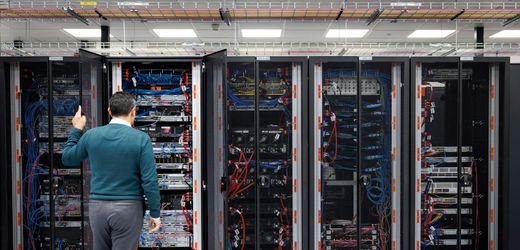
By 2035, the power demand of German data centers is expected to triple. This forecast highlights the growing importance of IT infrastructure in the modern economy. The current consumption of data centers already exceeds the total power demand of all private households in Bavaria. The increasing demand for data center services is driven by the rising use of artificial intelligence and cloud services. Companies are increasingly relying on digital solutions, leading to an exponential increase in data traffic.
This development has direct implications for energy consumption, as data centers must become more powerful to process and store large amounts of data. Current estimates show that the power consumption of IT infrastructure in Germany already exceeds 70 terawatt-hours per year. This corresponds to the annual consumption of more than 20 million households. Data centers have thus become one of the largest consumers of electricity in the country. The federal government has recognized that this increase in power demand also brings challenges.
To achieve climate goals, measures to enhance energy efficiency in data centers are necessary. Initiatives to utilize renewable energy and improve cooling technologies are deemed essential to reduce the ecological footprint of data centers. Another aspect is the development of green data centers that rely on sustainable energy sources. These facilities use technologies such as solar energy and wind power to meet their energy needs. The trend towards more environmentally friendly solutions is viewed by many companies as part of their corporate social responsibility (CSR).
The industry faces the challenge of expanding the necessary infrastructure to meet rising demands. Experts warn that without appropriate investments in infrastructure and technology, power demand could exceed the capacities of existing networks. This could lead to bottlenecks and higher costs for consumers. Data center operators are aware of the issue and are increasingly investing in innovative technologies. These include heat recovery systems and intelligent energy management systems designed to optimize energy consumption.
These technologies could help slow the rise in power demand and increase efficiency. The forecasts for the coming years are alarming. According to a study by the Federal Association of Energy and Water Management (BDEW), the power demand of data centers is expected to rise to over 200 terawatt-hours by 2035. This would mean that data centers would account for a significant share of total electricity consumption in Germany. The discussion about the energy consumption of data centers is also taking place at the political level.
Legislators and regulatory authorities are working on guidelines aimed at reducing energy consumption and promoting the use of renewable energy. These measures could contribute to minimizing the environmental impact of data centers in the long term. The development of data centers is also influenced by the increasing digitization of society. With the ongoing networking and the Internet of Things (IoT), the demand for computing power will continue to rise.
Experts estimate that the number of data centers in Germany could increase by 30% by 2030, further increasing pressure on energy supply. The industry is thus at a critical phase where both technological innovations and political measures are required to address the challenges of rising power demand. The coming years will be crucial for how data centers in Germany can respond to growing demands. The BDEW forecast states that the power demand of data centers will rise to over 200 terawatt-hours by 2035.







💬 Comments (0)
No comments yet. Be the first to comment!