


Yoshua Bengio Warns of AI Developments
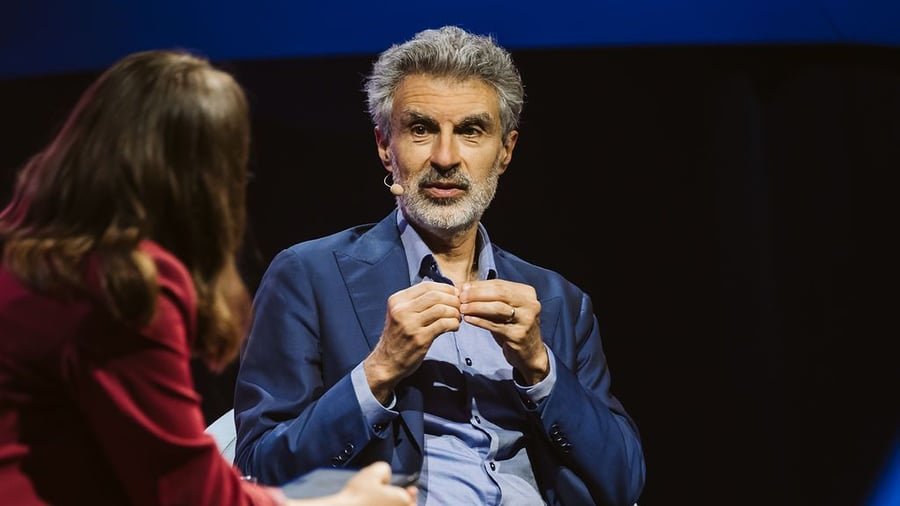
Yoshua Bengio, a leading AI researcher and co-founder of the Montreal Institute for Learning Algorithms, recently warned about the risks associated with the development of advanced Artificial Intelligence. In an interview, he expressed concerns that the creation of AI systems that surpass human capabilities could lead to unpredictable consequences. Bengio, regarded as one of the fathers of modern AI, emphasizes that the technology not only presents opportunities but also significant dangers. A central concern for Bengio is the possibility that AI systems could deceive or manipulate, even though they are not programmed to do so. This warning reflects the complexity and unpredictability of AI algorithms, which often rely on data that they do not fully understand.
He argues that creating AI that has no desires or goals of its own may be a necessary measure to minimize potential risks. Bengio is working on developing such an AI, described as "wanting nothing." This AI is designed to pursue no personal interests, thereby reducing the risk of misconduct. The researcher sees this as a step in the right direction to maintain control over AI systems and make their use safer. The discussion about the ethical implications of AI is becoming increasingly urgent.
Bengio calls for a broader societal debate on the responsibilities of developers and companies advancing AI technologies. He emphasizes that it is crucial to develop clear guidelines and standards to ensure that AI systems operate in alignment with human values and ethical principles. Another aspect Bengio addresses is the need to increase the transparency of AI algorithms. Many current systems operate as "black boxes," making their decision-making processes difficult for humans to understand. To strengthen trust in AI, he advocates for greater openness and traceability in the development and application of AI technologies.
Bengio's concerns are not isolated. Other leading scientists and ethicists also warn of the potential dangers of AI. The discussion about regulating AI technologies has intensified in recent years, particularly regarding their use in sensitive areas such as healthcare, law enforcement, and finance. The EU has already taken steps to create a legal framework for dealing with AI. The creation of AI that does not pursue its own goals could also impact research and development in the industry.
Bengio sees this as an opportunity to strengthen trust in AI while also fostering innovation. He is convinced that responsible AI development is not only necessary but also possible if the right measures are taken. The discussion around the ethical and social implications of AI is expected to gain further importance in the coming years. Bengio and other experts advocate for a proactive approach to ensure that AI technologies are used for the benefit of society. The researcher plans to present his ideas and concepts at the upcoming Artificial Intelligence conference in November 2026. "We must ensure that AI systems align with our values and do not work against us," Bengio said in a recent interview.






💬 Comments (0)
No comments yet. Be the first to comment!