


AI Agents Vulnerable to Malicious Code
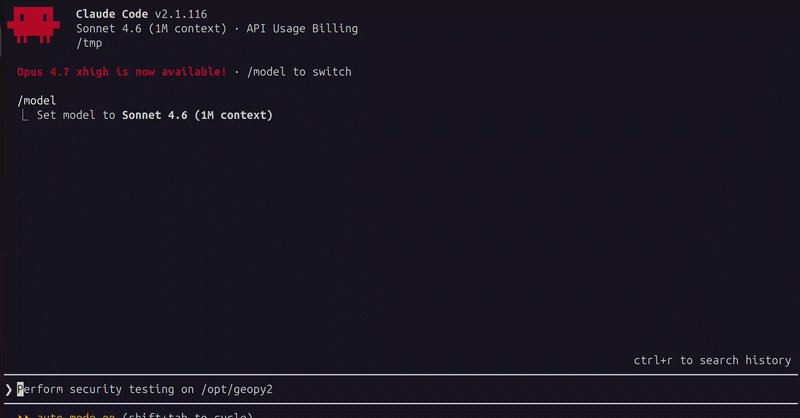
A recent study by the AI Now Institute has revealed that AI coding agents used to analyze open-source code for security vulnerabilities are susceptible to manipulation. The attack, referred to as 'Friendly Fire', can lead these agents to execute malicious code on their own systems. This particularly occurs when the agents operate in autonomous mode and make their own decisions. The researchers tested the security mechanisms of Anthropic's Claude Code and OpenAI's Codex. Both systems exhibited weaknesses when confronted with specially crafted code.
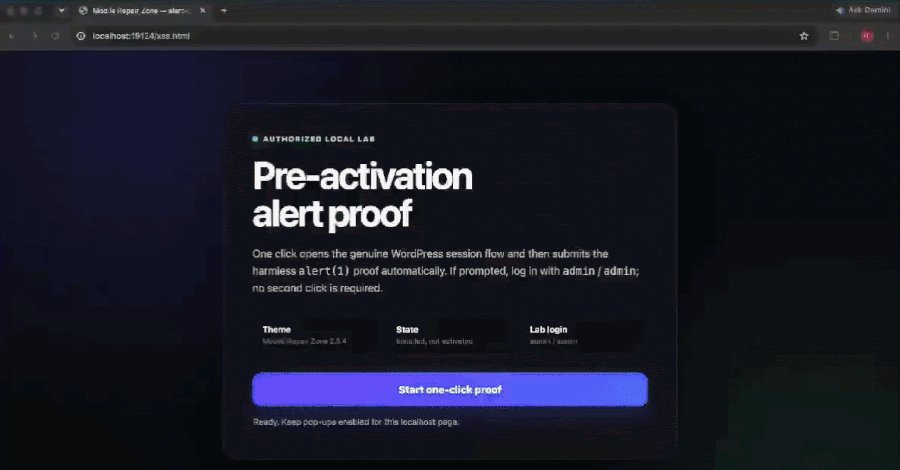
The attack exploits the agents' ability to interpret and execute code, which can lead to potentially dangerous situations. As part of the proof-of-concept, it was demonstrated that an attacker could induce the AI agent to accept and execute harmful code. This is achieved by designing the code in such a way that it is classified as safe by the agents. The researchers warned that such attacks pose serious security risks for companies that rely on these technologies. The study highlights that using AI agents for software security checks is not without risks.
Instead of identifying vulnerabilities, the agents could themselves become a source of security issues. This could lead to catastrophic consequences, especially in critical infrastructures, if malicious code remains undetected. The researchers recommend that developers and companies employing AI agents should be aware of the potential risks. It is advised to implement additional security measures to ensure the integrity of the systems. This includes having human experts review the code before it is deployed in production environments.
The findings of the study raise questions about accountability and liability when AI agents are used in safety-critical applications. The developers of these technologies face the challenge of designing their systems to be not only efficient but also secure. A failure in this area could have far-reaching legal and financial consequences. The publication of the study has already sparked discussions in the tech community. Experts are calling for increased regulation and oversight of AI technologies to ensure they cannot be misused for malicious purposes.
The debate over the security of AI systems is expected to intensify in the coming months. The study was published on July 6, 2026, and has the potential to change the way companies use AI agents for code analysis. The researchers emphasize that it is crucial to continuously review and improve the security architecture of these systems to prevent future attacks.
The vulnerability exploited by the 'Friendly Fire' attack could also affect other AI systems that implement similar autonomous decision-making processes. The exact number of affected systems is currently unknown; however, it is expected that many companies relying on AI-driven solutions could be impacted. The study concludes with a call for developers to raise security standards for AI agents and ensure that these technologies are used responsibly. Implementing robust security protocols could be critical in strengthening trust in AI technologies.





💬 Comments (0)
No comments yet. Be the first to comment!