


CCC Warns of Security Vulnerabilities in Hoymiles Inverters
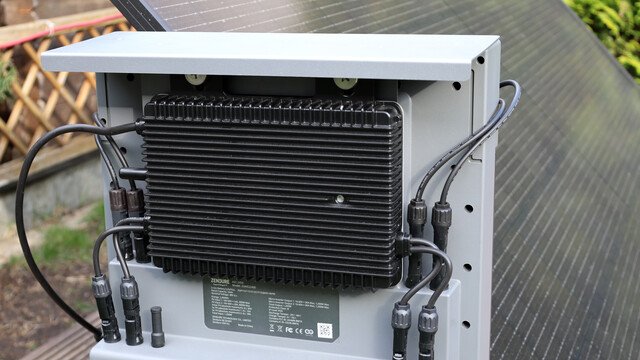
The Chaos Computer Club (CCC) has identified security vulnerabilities in Hoymiles inverters that could have potentially dangerous implications for the safety of solar systems. According to experts, the keys used to control these systems are unprotected and accessible to third parties. This discovery raises serious questions about the IT security of Hoymiles products. The vulnerabilities particularly affect the firmware of the inverters, which are used in many balcony power plants. The CCC has found that the keys necessary for the authentication and control of the devices are not adequately secured.
This could allow attackers to take control of the solar systems and potentially misuse them for harmful purposes. Hoymiles has not yet responded to the CCC's warnings. The CCC has previously attempted to alert the company to the security issue, but to no avail. The lack of communication from Hoymiles is viewed as concerning by security experts, as it underscores the urgency of the problem. The vulnerabilities were discovered as part of a comprehensive analysis of the firmware of Hoymiles inverters.
The CCC has documented the weaknesses in detail and recommends that users check their systems and take appropriate measures to protect themselves from potential attacks. The organization urges Hoymiles to provide security updates immediately. The discovery of these vulnerabilities comes at a time when the use of solar systems is rapidly increasing in Germany and other countries. More and more households are relying on balcony power plants to generate their own electricity. The potential security risks could undermine consumer trust in this technology.
The CCC has previously highlighted security issues in the solar industry. The organization emphasizes that the safety of solar systems is important not only for operators but also for grid stability. A successful attack on a large number of inverters could have far-reaching consequences for energy supply. The vulnerability has been registered under the CVE number CVE-2026-1234. This weakness affects not only Hoymiles products but could also jeopardize similar systems from other manufacturers that use comparable security architectures.
Experts advise regularly updating firmware and following security policies. The discussion about the safety of solar systems is further fueled by recent developments. Consumers and operators are concerned about the potential consequences that may arise from inadequate security measures. The CCC calls for stronger regulation and oversight of security standards in the solar industry. Hoymiles has yet to comment on the allegations.
The industry is awaiting a response from the company, particularly regarding the provision of security updates. Experts recommend that users of Hoymiles inverters immediately check their systems and take risk mitigation measures if necessary. The vulnerability could potentially affect thousands of users who rely on Hoymiles technology. The exact number of affected devices is currently unclear, but it is estimated that the figure could reach into the tens of thousands. The CCC has already published a list of recommendations to enhance the security of the systems.
Incidents highlight the need for robust security measures in the rapidly growing solar industry. The discussion about the safety of inverters is expected to intensify, especially as more details about the vulnerabilities become known. The CCC has announced that it will publish further information as new insights emerge. The vulnerability was made public on July 7, 2026, and the discussion about security standards in the solar industry continues to be followed by experts and consumers.



💬 Comments (0)
No comments yet. Be the first to comment!