


OpenSSH Security Vulnerability Actively Exploited
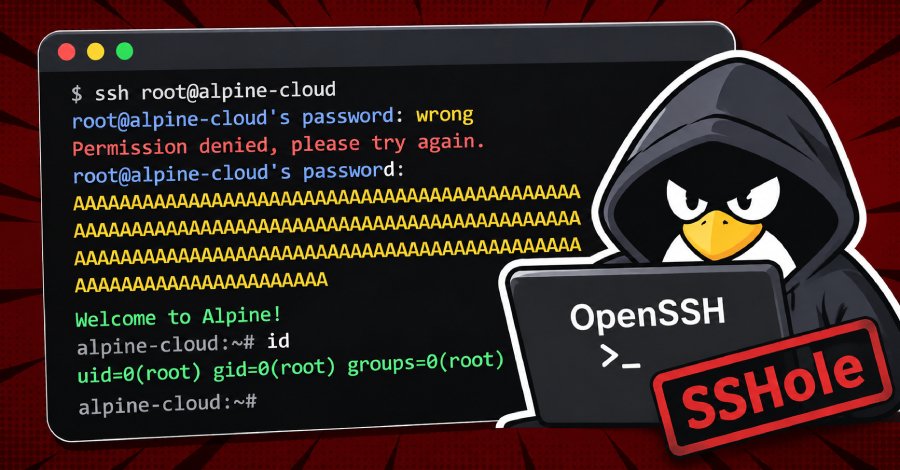
Hackers have attempted to exploit a critical security vulnerability in OpenSSH within hours of its announcement. The vulnerability, classified as CVE-2026-123158, allows attackers to log into systems that have not set passwords for user accounts. This security flaw particularly affects Linux systems using OpenSSH in conjunction with the musl C library and disabled Pluggable Authentication Modules (PAM). The vulnerability was discovered by the security firm Previdian and has a CVSS score of 8.1, categorizing it as high-risk. The discovery of this flaw has raised concerns in the cybersecurity community, as it could have far-reaching implications for the security of servers and networks utilizing OpenSSH.
Following the disclosure of the vulnerability, cybercriminals targeted honeypots specifically set up to monitor such attacks. These honeypots are designed to detect and analyze attacks to better understand and close security gaps. The first attacks were recorded within hours of the vulnerability's announcement. The flaw could allow attackers to gain root access to affected systems, potentially leading to a complete loss of control over those systems. Experts warn that exploiting this vulnerability not only jeopardizes the integrity of the affected systems but also compromises the confidentiality and availability of data.
To minimize risks, security experts recommend that administrators take immediate action. This includes setting passwords for all user accounts and reviewing and updating OpenSSH installations to the latest versions that include security updates. Implementing PAM can also serve as an additional protective measure. The discovery of this vulnerability is not the first of its kind; there have been several critical security flaws in OpenSSH in the past that had similar impacts.
The swift response of the security community to such discoveries is crucial in minimizing the effects of cyberattacks. The CVE-2026-123158 vulnerability has already led to increased attention in the IT security industry. Companies and organizations using OpenSSH are urged to promptly review their systems and install security updates as necessary. The threat of cybercrime remains a serious issue that requires continuous vigilance. The exact number of affected systems is currently unknown; however, experts estimate that millions of servers worldwide could be potentially vulnerable.
The vulnerability could also be exploited in combination with other attack techniques, increasing the complexity of the threat. The flaw was made public on November 10, 2026, and the first attacks were already recorded on the same day. Security experts advise closely monitoring developments surrounding this vulnerability and taking proactive measures to protect systems.






💬 Comments (0)
No comments yet. Be the first to comment!