


Bahnfunk in Deutschland: Umstellung auf neue Technologie
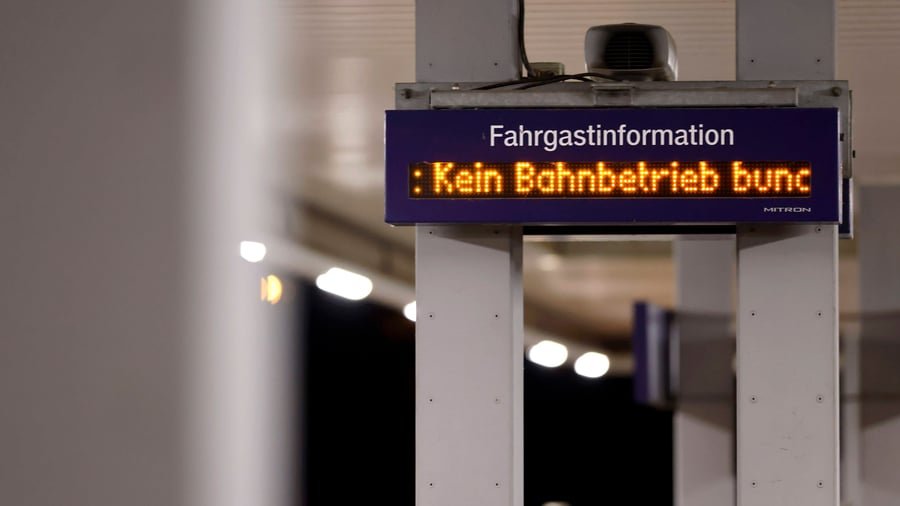
Die Deutsche Bahn steht vor der Herausforderung, ihre veraltete Funktechnologie, die seit den 1990er-Jahren im Einsatz ist, zu modernisieren. Diese Technologie hat in der Vergangenheit immer wieder zu Störungen im Bahnverkehr geführt, was die Notwendigkeit einer Umstellung unterstreicht. Die neue Technik, die als Nachfolger geplant ist, soll die Kommunikation zwischen Zügen und der Leitstelle erheblich verbessern. Die aktuelle Funktechnologie basiert auf analogen Systemen, die nicht mehr den Anforderungen eines modernen Schienenverkehrs gerecht werden. Die Umstellung auf digitale Systeme ist bereits beschlossen, jedoch sind die Herausforderungen vielfältig.
Dazu gehören technische, logistische und finanzielle Aspekte, die bei der Implementierung berücksichtigt werden müssen. Ein zentrales Element der neuen Technologie ist die Einführung von LTE (Long Term Evolution) für den Bahnbetrieb. Diese Technologie ermöglicht eine schnellere und stabilere Datenübertragung, was für die Sicherheit und Effizienz des Bahnverkehrs entscheidend ist. Die Deutsche Bahn plant, die Umstellung schrittweise durchzuführen, um einen reibungslosen Übergang zu gewährleisten. Die Umstellung auf LTE wird auch die Integration von weiteren digitalen Diensten ermöglichen, die den Fahrgästen zugutekommen.
Dazu zählen unter anderem Echtzeitinformationen zu Verspätungen und eine verbesserte Kommunikation zwischen den Zügen und der Leitstelle. Diese Maßnahmen sollen dazu beitragen, die Pünktlichkeit und Zuverlässigkeit des Bahnverkehrs zu erhöhen. Ein weiterer Aspekt der Umstellung betrifft die Schulung des Personals. Die Mitarbeiter der Deutschen Bahn müssen mit der neuen Technologie vertraut gemacht werden, um die Vorteile optimal nutzen zu können. Dies erfordert umfangreiche Schulungsprogramme, die in den kommenden Jahren implementiert werden sollen.
Die Kosten für die Umstellung auf die neue Funktechnologie sind derzeit noch nicht abschließend beziffert. Experten schätzen jedoch, dass die Investitionen in die digitale Infrastruktur mehrere Millionen Euro betragen werden. Die Deutsche Bahn hat angekündigt, dass sie die Finanzierung durch staatliche Fördermittel unterstützen lassen möchte. Die Umstellung auf die neue Technologie wird voraussichtlich mehrere Jahre in Anspruch nehmen. Erste Pilotprojekte sind bereits in Planung, um die Funktionalität und Effizienz der neuen Systeme zu testen.
Deutsche Bahn strebt an, bis 2028 die vollständige Umstellung abgeschlossen zu haben. Die Herausforderungen, die mit der Umstellung verbunden sind, sind nicht zu unterschätzen. Neben der technischen Umsetzung müssen auch bestehende Verträge mit Zulieferern und Dienstleistern neu verhandelt werden. Dies könnte zu Verzögerungen im Zeitplan führen, die die Deutsche Bahn unbedingt vermeiden möchte. Die Deutsche Bahn hat sich verpflichtet, die Öffentlichkeit über den Fortschritt der Umstellung regelmäßig zu informieren. Dies soll Transparenz schaffen und das Vertrauen der Fahrgäste in die Zuverlässigkeit des Bahnverkehrs stärken. Ein Sprecher der Deutschen Bahn erklärte: "Wir sind uns der Herausforderungen bewusst und arbeiten intensiv an einer Lösung, die den Anforderungen der Zukunft gerecht wird."





💬 Kommentare (0)
Noch keine Kommentare. Schreiben Sie den ersten!