


Space Industry as a New Market for Semiconductors
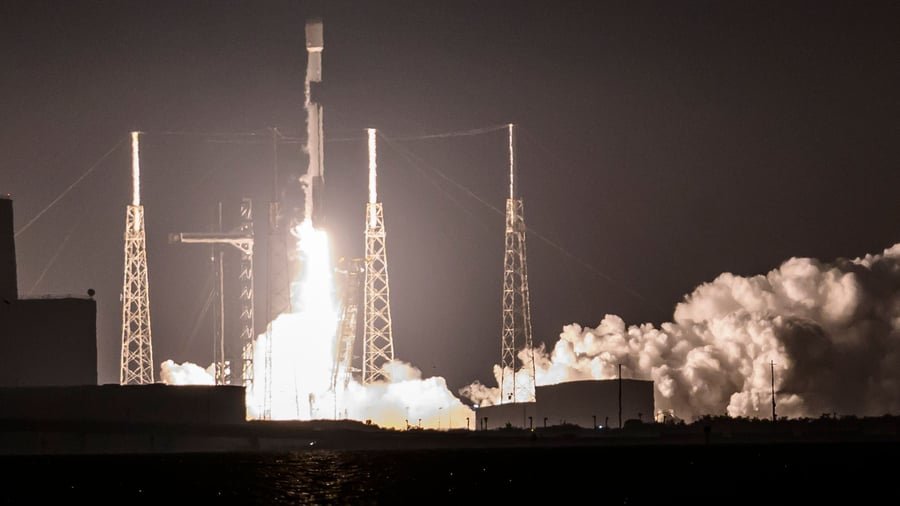
Space companies like SpaceX and other industry players are increasingly relying on space-qualified semiconductors to meet the demands of modern satellite technology. This development is occurring alongside the boom in Artificial Intelligence (AI), which further fuels the demand for high-performance chips. The short lifespan of satellites leads to a constant need for new semiconductors, presenting new challenges for the industry. The lifespan of satellites often lasts only a few years, meaning companies must regularly develop and produce new chips. This dynamic has resulted in the space industry being viewed as a potential billion-dollar market for semiconductors.
Analysts estimate that the market for space semiconductors could reach a volume of over $10 billion by 2030. A central issue in the development of semiconductors for space is radiation resistance. Chips must withstand extreme conditions, including high radiation and temperature fluctuations. Companies are therefore investing in research and development to create semiconductors that can meet these challenges. Innovative materials and designs are being tested to enhance the lifespan and reliability of the chips.
The demand for miniaturization and efficiency improvements is driving the development of new technologies. Manufacturers are working on improving chip architectures to boost performance while simultaneously reducing energy consumption. These advancements are crucial to meet the requirements of modern satellites, which often have to operate with limited resources. Another aspect is the integration of AI into satellite systems. AI-driven systems require high-performance semiconductors to process data in real-time and make decisions.
This leads to increased collaboration between space companies and semiconductor manufacturers to develop tailored solutions that meet the specific requirements of the space sector. The challenges in the space industry also impact the supply chains for semiconductors. Companies must ensure they have the necessary resources and technologies to meet the rising demand. Production bottlenecks or shortages of raw materials can significantly delay the development of new satellite projects. The space industry is not only a market for semiconductors but also a driver of innovation.
The technologies developed for space often find applications in other fields, such as the automotive industry or medical technology. These synergies promote the development of new products and services that extend beyond space. Investments in space and related technologies have increased in recent years. According to a study by the Space Foundation, global spending on space is expected to exceed $400 billion by 2025. This figure underscores the growth and significance of the industry for the global economy.
The development of semiconductors for space is also supported by government initiatives. Governments worldwide recognize the strategic importance of space and promote research projects aimed at improving semiconductor technology. This support could further enhance the industry's innovative capacity. The coming years will be crucial in addressing the challenges of the space industry and tapping into the potential of the semiconductor market. Companies must remain agile and adapt to rapidly changing requirements. Innovation cycles are becoming shorter, and the ability to quickly respond to new technologies will be critical. The first prototypes of new semiconductor technologies for space are expected to be tested as early as July 2026, marking an important step in development.





💬 Comments (0)
No comments yet. Be the first to comment!