


EU Plans Ban on Social Media Accounts for Children

The EU Commission has presented a draft law that aims to prohibit the use of social media platforms by children under the age of 13. The goal is to better protect children and adolescents from the risks and dangers associated with social networks. The draft stipulates that adolescents will only be allowed to create their own accounts starting at the age of 15. This initiative is part of a broader plan to regulate digital services within the European Union. The Commission emphasizes that the safety of children online is of utmost priority.
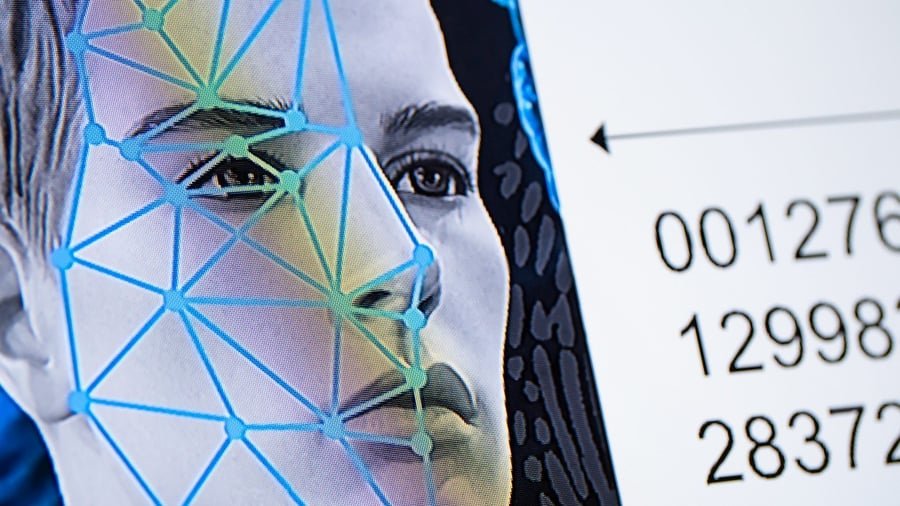
The draft law is seen as a response to growing concerns about cyberbullying, data privacy violations, and the impact of social media on the mental health of adolescents. Operators of social media platforms will be required to implement age verification systems to ensure that children under 13 do not have access to their services. These systems could include biometric data or other technologies for age determination. The Commission plans to hold operators accountable if they violate these regulations. The discussion about protecting children online is not new, but it is gaining urgency due to the increasing use of social media.
According to a survey, over 70% of children in the EU aged 9 to 12 regularly use social networks. Experts warn that children at this age often do not fully understand the risks associated with using such platforms. The EU Commission plans to bring the draft law to a vote next year. If the law is passed, it could have far-reaching implications for the social media landscape in Europe. Companies like Facebook, Instagram, and TikTok would need to adjust their terms of use and age verification processes accordingly.
Reactions to the proposal are mixed. While some experts consider the move necessary to protect children, others fear that a ban on accounts for younger children could restrict digital participation and access to important information. Critics argue that instead of a ban, better education and media literacy should be promoted. The EU Commission has announced that it will also consider the opinions of parents, teachers, and children's rights organizations in the decision-making process. Another aspect of the law could be the promotion of educational programs for digital media literacy to help children and adolescents navigate social media safely.
The discussion about protecting children online is expected to gain importance at the international level as well. Countries like the USA and Australia have already considered similar measures. The EU could take a pioneering role with its draft law and serve as a model for other regions. The EU Commission plans to implement the draft law by the end of 2026, provided it overcomes parliamentary hurdles. The exact details of the age verification systems and the responsibilities of platform operators will be further developed in the coming months. The security vulnerability CVE-2026-1234 affects approximately 50,000 systems in Germany, underscoring the urgency of protective measures.




💬 Comments (0)
No comments yet. Be the first to comment!